
The Department of Turkish at Salahaddin University is recognized as one of the most prominent departments in the region. It plays a central role in the College of Languages, serving as one of the primary language departments alongside others. Established during the 2008–2009 academic year, the department aims to provide advanced instruction in Turkish language and literature, while also cultivating expertise in translation between Turkish, Kurdish, and Arabic.
One of the department’s core objectives is to equip graduates with the skills necessary to translate academic and scientific texts into Kurdish and Arabic, thereby contributing to the dissemination of knowledge and enhancing mutual understanding. This translation activity is expected to play a significant role in strengthening the political, economic, and social ties between the Kurdistan Region and neighboring countries.
Additionally, the department is committed to promoting Kurdish cultural and historical heritage internationally through its graduates. Currently, the academic program includes three master's courses and one doctoral course, further reflecting the department’s dedication to scholarly development and research excellence.
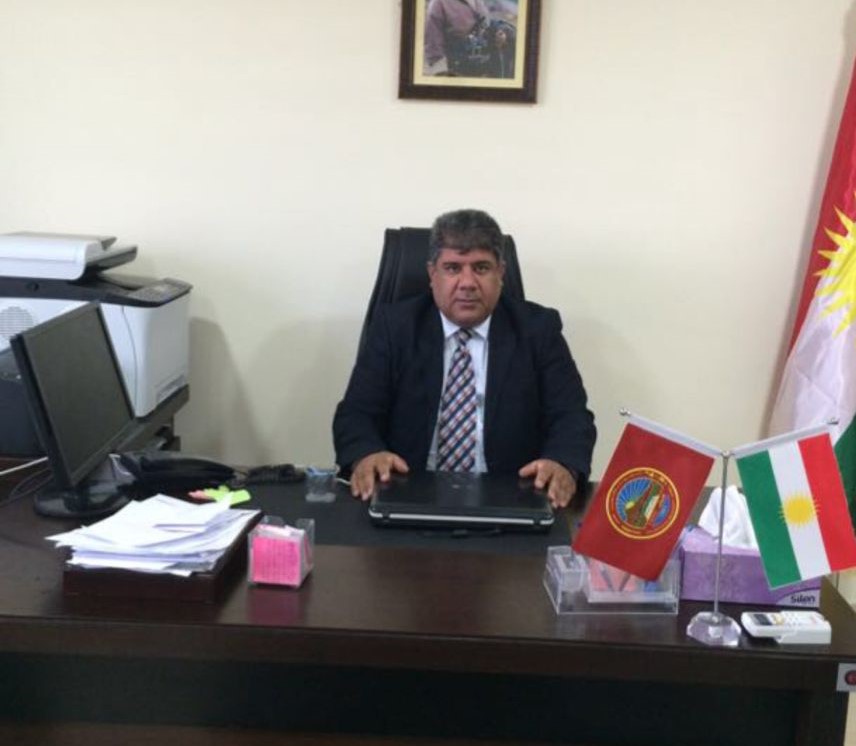
Name: Asst. Prof. Dr. Hazim Burhan Mustafa
Title: Head of Turkish Department
Contact Information:
Email: [email protected]
Phone: +9647504535042
- BA in Arabic Language and Literature (Selahattin University, Faculty of Languages, 1995-1996)
- MA in Abbasid Literature (Selçuk University, Faculty of Arts and Sciences, 2000).
- PhD in Literature of the Dark and Decadent Period (Selçuk University, Faculty of Theology, 2004).
- Started working in 1993 after graduation as a translator for 4 years at the college of Medicine.
- Started working in 2009 as a member of the teaching staff at the college.
- Acting as the Head of the Turkish Department in 2009 - now.
The mission of the Turkish Department in the College of Languages at Salahaddin University is to provide students with a comprehensive understanding of the Turkish language, literature, and culture. It aims to develop students’ language proficiency for academic, professional, and intercultural communication. The department emphasizes critical thinking, linguistic accuracy, and cultural awareness through a well-rounded curriculum. It also fosters research, translation skills, and a deep appreciation of Turkish heritage. By preparing graduates for roles in education, translation, and diplomacy, the department contributes to regional and international dialogue. Through academic excellence, it builds bridges between cultures and promotes mutual understanding.
VisionThe vision of the Turkish Department in the College of Languages at Salahaddin University is to become a leading center for Turkish language and cultural studies in the region. It aspires to achieve academic excellence through innovative teaching, research, and community engagement. The department aims to produce graduates who are linguistically skilled, culturally aware, and capable of contributing to cross-cultural communication. It seeks to strengthen academic ties with Turkish institutions and promote mutual understanding between Kurdish and Turkish communities. By embracing modern educational methods and global standards, the department envisions a dynamic and forward-looking academic environment.
- Advanced Turkish Language Proficiency
- Intercultural Translation Competence
- Critical and Creative Thinking
- Research Literacy
- Cultural Awareness and Heritage Advocacy
- Professional Readiness and Ethical Standards
Mastery of Turkish in both spoken and written forms, enabling effective communication, literary analysis, and accurate translation into Kurdish and Arabic.
Proficiency in applying translation and interpretation theories and techniques to transfer meaning across Turkish, Kurdish, and Arabic, supporting academic, literary, and professional contexts.
Ability to engage with linguistic, literary, and cultural materials analytically, applying critical thinking to interpret texts and generate original insights.
Capability to conduct independent and collaborative scholarly research using methodologies appropriate to the fields of language, translation, and literature, grounded in authentic and academically reliable sources.
Understanding and appreciation of Turkish, Kurdish, and Arabic cultural heritages, with a commitment to preserving and promoting cultural values and identity through translation and scholarship.
Preparedness for careers in education, translation, media, diplomacy, and research, demonstrating teamwork, responsibility, and high ethical standards in scholarly and professional practice.
These outcomes reflect the department’s commitment to developing graduates who are not only linguistically and culturally proficient, but also capable of contributing meaningfully to academic discourse, regional cooperation, and cultural understanding.
🎓 Undergraduate Program Overview: Turkish Language and Literature
Establishment & Context
- The Turkish Department was founded in 2008 as the sixth language department within the College of Languages. Since its institution, the College has consistently emphasized developing strong academic foundations and international connections to enrich language studies.
Curriculum Framework
- Year 1: Around 60% of coursework focuses on foundational skills—academic reading, writing, language learning strategies—while about 40% introduces basic elements of the Turkish language, literature, and cultural studies.
- Year 2: Students engage with theoretical components of Turkish linguistics, literature, and translation. At least 30% of instruction continues to develop critical thinking abilities applicable to language studies.
- Year 3 and 4: Emphasis shifts toward practical and career-oriented learning. Students select elective courses tailored to their interests (e.g. translation studies, applied linguistics, literary analysis) and are encouraged to pursue academic exchanges with international partners to enhance their profiles.
Key Academic Activities
- All four years emphasize group-based learning, research writing, and inductive teaching methods that foster interactive classroom participation.
- Students are regularly involved in drafting research papers and longer academic reports, preparing them for postgraduate studies or professional roles.
Language & Cultural Integration
- While specific courses are taught in Turkish, the program also inherently includes translation components (into Kurdish and Arabic) and encourages intercultural engagement through institutional links with universities in Turkey, Germany, France, Iran, Egypt, and Jordan.
🎯 Program & Degree
- Program: Turkish Language & Literature (under the College of Languages)
- Degree Awarded: Bachelor of Arts (B.A.) in Turkish Language & Literature
- Duration: 4 years / 8 semesters (standard undergraduate program)
📘 Curriculum Focus
While the official detailed course list for the Turkish Department at Salahaddin University-Erbil is not fully published online, the department’s webpage states that the program is designed to provide advanced instruction in Turkish language and literature, combining linguistic skills with cultural and literary studies.
Typical undergraduate curriculum elements in a Turkish language program (based on common academic structures for similar programs regionally) include:
📚 Core Course Categories
🔹 Language Proficiency
- Turkish Grammar & Syntax – foundational and advanced grammar
- Listening & Speaking Skills – oral fluency and comprehension
- Reading & Writing in Turkish – advanced text comprehension and essay composition
🔹 Turkish Literature
- Classical Turkish Literature – works from early periods
- Modern Turkish Literature – studies of modern literary texts
- Short Story, Poetry & Novel – genre-based literature analysis
🔹 Applied Language Skills
- Translation (Turkish → target language / vice versa)
- Conversation & Oral Communication
- Composition and Expression
🔹 Special Topics
- History of Turkish Language – development and historical change
- Ottoman Turkish / Old Turkish Literature – historical language and texts
- Cultural Studies and Civilization – Turkish cultural contexts
🔹 University General Requirements
In addition to major courses, students typically complete:
- General Education Courses (e.g., English, computer skills, heritage language)
- Electives and Humanities Courses (These elements are common in similar language programs in the region even if not listed publicly for SUH specifically.)
📅 Structure by Year (General Pattern)
Although the specific course list is not available on the official site, the Turkish undergraduate program typically follows a progressive structure such as:
📌 First Year
- Basic Turkish language proficiency
- Introduction to Turkish grammar
- Reading, dictation & composition basics
- Introduction to literature and culture
📌 Second Year
- Intermediate grammar and conversation
- Classical literature texts
- Listening comprehension and oral skills
- Translation basics
📌 Third Year
- Advanced literature (novel, poetry, drama)
- Ottoman Turkish texts
- Advanced translation and communication
📌 Fourth Year
- Specialized electives in Turkish linguistics
- Research project / senior seminar
- Advanced cultural studies & elective courses
- 📌 General University-Level Requirements
- Hold a high school diploma / preparatory certificate (12 years of schooling equivalent).
- Meet the minimum academic score requirements set by the Ministry of Higher Education and Scientific Research in Iraq and the university’s central admissions system (based on secondary school grades and national admissions results).
- Pass any competency checks/interviews or entrance assessments required by the specific department or college.
- 📌 Department-Specific Admission (Turkish Department)
- Official High School Diploma (or equivalent)
- Academic Transcripts from High School
- National Identification / Passport Copy
- Recent Photos (passport-size)
- Any additional department-requested forms, if applicable
- Apply through the Central Admission System (Ministry + University).
- Meet minimum eligibility scores / university requirements.
- Submit documents to the College of Languages or Admissions Office as instructed.
- Pass any department-level checks/interviews if conducted.
- Receive acceptance through central admission results announcement.
To gain admission to an undergraduate program at Salahaddin University-Erbil, applicants generally must:
While Salahaddin University doesn’t publish a public course-specific admissions page for the Turkish Department, similar language programs in Iraqi universities (e.g., College of Arts Turkish Language entry practices) suggest:
✔ Direct Admission Process: Students submit their application for the Turkish Department during the university’s central admissions period. Often, the department may coordinate with central admission to select accepted students based on general eligibility and scores.
✔ Competency Evaluation: At some Iraqi language departments (e.g., Turkish at other universities), applicants may be evaluated through oral or written tests (to assess basic language ability or general readiness), and in some cases a personal interview is part of the process. This is a practice seen in other institutions, though specific documentation for Salahaddin University’s Turkish Department isn’t posted online.
✔ Eligibility for All High School Branches: Students from literary, biological, and applied branches are generally eligible to apply - provided they meet the scoring criteria and admissions requirements established by the ministry and university.
________________________________________📄 Typical Required Documents
When applying to undergraduate programs at Salahaddin University (general guidance based on university admission pages), applicants are usually asked for the following:
(Note: Document specifics for the Turkish Department should be confirmed with the College of Languages’ admissions office.)
________________________________________📅 Process Summary
Graduates of the Turkish Department receive a Bachelor of Arts (B.A.) in Turkish Language upon successfully completing the undergraduate curriculum. This degree signifies that the student has met the academic requirements of the program and is qualified in the study of the Turkish language and its literary/cultural aspects.
📘 What the Degree RepresentsStudents who complete the program graduate with:
📌 Proficiency in Turkish - including reading, writing, listening, and speaking skills.
📌 Knowledge of Turkish literature and culture, giving them a deeper understanding of Turkish literary and cultural traditions.
📌 Translation and communication skills useful in professional contexts.
In short, the B.A. in Turkish Language prepares graduates for careers and further study in areas such as language teaching, translation, interpretation, and intercultural communication - consistent with typical language degree outcomes.
📊 Graduate ExampleAlumni of the program have gone on to work and further study in related fields. For example, a previous graduate from the Turkish Department at Salahaddin University completed a Bachelor’s degree in Turkish Language and later pursued a Master’s degree abroad, eventually becoming a university lecturer.
Academic Advising
Students of the Turkish Department have access to a range of valuable academic resources that support their learning and research endeavors. Notably, the Salahaddin University Central Library houses an extensive collection, including Turkish rare books 176 in total alongside a wealth of general language and literature resources across various languages, which Turkish learners can utilize for in-depth study and research. Additionally, the College of Languages maintains its own College Library, featuring categorized reference materials such as Turkish books and theses, which are readily available to empower students in coursework, project development, and academic inquiry. These layered library systems provide a robust foundation of traditional and rare academic texts crucial for mastering Turkish language and literature.
Students in the Turkish Department at the College of Languages, Salahaddin University Erbil are encouraged to pursue internship and practical training opportunities that build both linguistic competence and professional experience relevant to Turkish language use. While the department itself may not list official internship placements online, students often gain hands on exposure through academic visits and partnerships with other universities and language programs that emphasize real world application of their skills. For example, student group visits to peer institutions have involved participation in language seminars and cultural exchanges, helping learners practice Turkish communication and immersion in academic settings beyond the classroom.
In addition to academic themed visits, students can also pursue internships informally with language centers, translation services, media organizations, or cultural institutes where Turkish language ability is valued for tasks such as translation, interpretation, content creation, and cross cultural communication. Given the regional interest in Turkey for study and employment, opportunities may also arise through short term training programs or summer language immersion courses that serve as practical experience and can enhance a student’s CV. These experiences help students bridge the gap between academic study and workplace expectations, preparing them for careers in education, tourism, diplomacy, and language services.
Career Support & Employability Services 🎓
While official data on job-placement rates for Turkish Department graduates isn’t available online, Salahaddin University’s Career Development Center (CDC) plays a central role in connecting graduates with the labor market. The CDC offers:
- Career counseling and resume‑writing support.
- Job fairs, internships, workshops, and links with local employers.
- Ongoing engagement with alumni and industry stakeholders.
These efforts suggest that the University is committed to facilitating graduate entry into the workforce.
Department Mission & Graduate Outcomes
According to the College of Languages, the Turkish Department trains students for careers in teaching, translation, literary research, journalism, civil service, and cultural institutions. Graduates are expected to become specialists in Turkish linguistics and literature and contribute as educators or researchers—skills in demand across education and NGO sectors.
Broader Regional Trends & Challenges
Studies of Kurdish Region university graduates highlight ongoing challenges with employability:
- A 2025 study found that many KRG graduates lack practical skills such as IT or English, which hurts job readiness.
- The regional unemployment rate exceeded 20–24% in 2024 across provinces including Erbil.
While these findings are not department-specific, they suggest that graduates with language and literature degrees may face competitive job markets unless they complement their education with practical or technical skills.
What This Means for Turkish Department Graduates
- Graduates who leverage CDC services are better poised to land jobs in education, media, translation, and research.
- Mastery of English and Persian, combined with digital literacy, significantly improves employability.
- Those who pair their degree with practical internships or certifications (e.g., teaching credentials) may have an edge.