
- The Chinese Department at the College of Languages, Salahaddin University-Erbil was established in 2019, making it the first university department in Iraq to offer an academic degree in the Chinese language.
- Its creation reflects growing interest in Chinese language learning and expanding educational and cultural ties with China in the Kurdistan Region and Iraq.
- The department aims to provide high-quality education in Mandarin Chinese, including linguistic proficiency and cultural understanding.
- It prepares students to become competent speakers, readers, writers, and interpreters of Chinese who can serve in various sectors such as education, translation, business, diplomacy, and cultural exchange.
- Students study the Chinese language (Mandarin) comprehensively - learning listening, speaking, reading, and writing skills across multiple levels from beginners to advanced.
- Cultural components are integrated into the curriculum, illuminating Chinese history, traditions, arts, and social practices to ensure graduates are well-rounded in both linguistic and cultural competence.
- The department benefits from international cooperation, notably with educational partners in China. Chinese instructors and resources have contributed to teaching and curriculum development, strengthening cross-cultural educational exchange.
- Activities such as Chinese cultural events and contests (e.g., the “Chinese Bridge” Chinese-language competition) engage students and the broader community in cultural learning.
- The program has seen growing student interest - at times holding dozens of enrolled students and involvement in exchange and summer programs in China supported by scholarships.
- Students participate in cultural events, competitions, and immersive experiences that complement academic learning.
The department’s core goals include:
- Equipping students with practical Mandarin proficiency
- Fostering deep understanding of Chinese culture
- Enabling graduates to engage in international and intercultural settings
These goals align with broader educational cooperation initiatives and the increasing global role of the Chinese language.
📌 SummaryThe Chinese Department at Salahaddin University’s College of Languages is a pioneering academic unit in Iraq, designed to build linguistic expertise and cultural insight in Mandarin Chinese. It supports student development through rigorous language training, cultural immersion, and international collaboration - connecting Iraq’s academic community more closely with China’s language and cultural world.
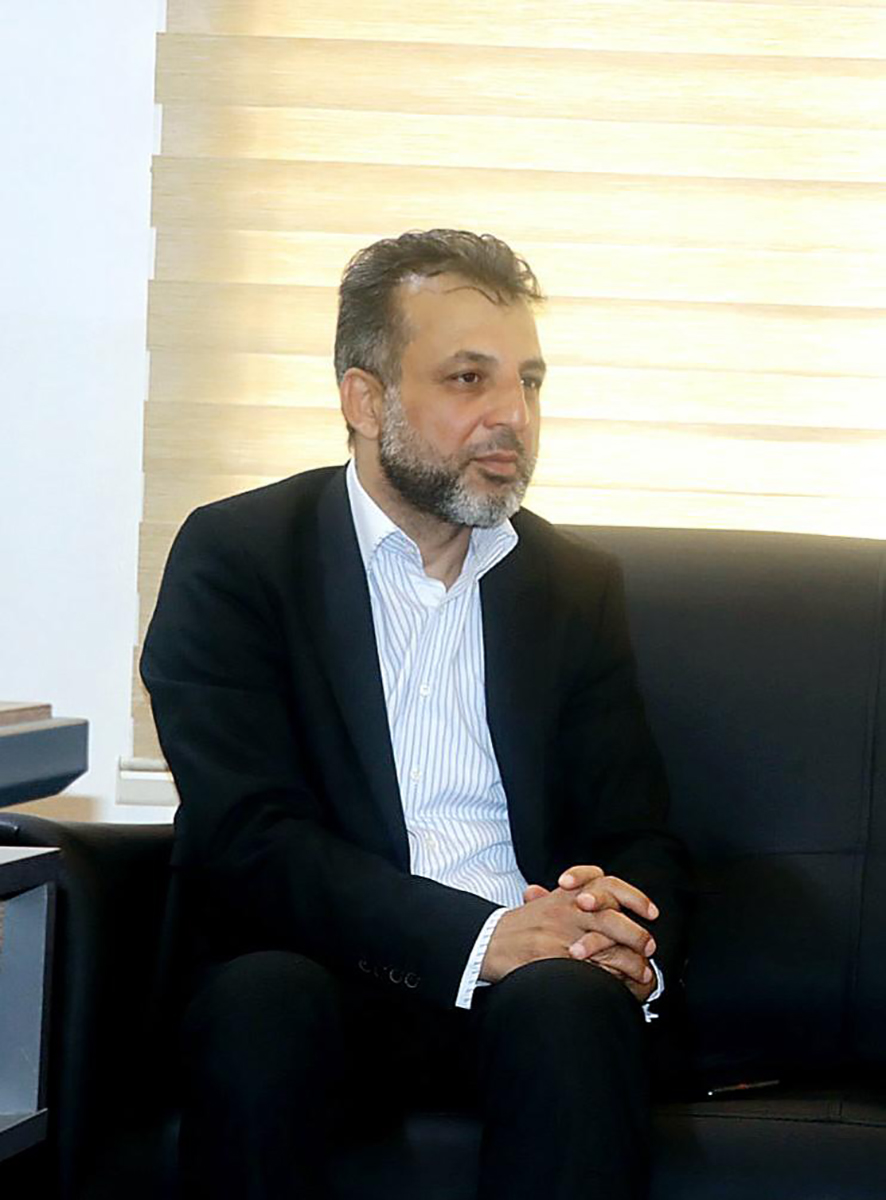
Name: Dr. Kaifi Muhammad Aziz
Title: Head of Chinese Department
Contact Information:
Email: [email protected]
Phone: +964 751 434 3054
A - Personal statement :
I’m highly motivated, self-orientated, and accurate in working. I have attended many training and language courses. I have excellent written and verbal communication, organizational, and management skills. My main strengths are adaptability, fidelity, and determination to make the best of possibilities. I am flexible and eager to acquire new skills to improve my personal and professional level. I learn fast and make few mistakes, and I’m fully prepared for experimentation to prove my performance, competencies, abilities, and skills.
B - Education and Academic Record:
Bachler degree in the Department of Kurdish at Salahaddin University. (1999- 2002) Master degree in Kurdish about Drama’s criticism of Kurdish journalism. (2008) PhD degree in Kurdish about The Exile Aftermaths in Kurdish Novel. (2019) Assistant professor in Kurdish Literature. (2024)
We can outline the typical core mission of the Chinese department such a department based on the nature of modern language programs in universities worldwide and the context of Chinese studies in Iraq:
- Language Proficiency: To provide students with comprehensive training in Modern Standard Chinese (Mandarin), developing high-level proficiency in the four core skills: listening, speaking, reading, and writing.
- Cultural Understanding To foster a deep understanding and appreciation of Chinese culture, including its history, literature, philosophy, arts, social norms, and contemporary society.
- Academic Foundation: To equip students with the academic skills and theoretical knowledge necessary for critical analysis of Chinese texts (literary, historical, media), cultural phenomena, and societal developments.
- Professional Preparation: To prepare graduates for careers utilizing their Chinese language skills and cultural knowledge. This includes potential fields like:
- Translation and Interpretation
- Teaching Chinese as a Foreign Language
- International Business and Trade
- Diplomacy and International Relations
- Tourism and Hospitality
- Journalism and Media
- Cross-cultural consulting
- Bridging Cultures: To serve as a bridge between Iraq (and the Kurdistan Region specifically) and China, promoting mutual understanding, cultural exchange, and facilitating communication in various professional and academic contexts.
- Research: To encourage and support scholarly research in Chinese linguistics, literature, culture, history, and Iraq-China relations by faculty and advanced students.
- Promoting Chinese Studies: To contribute to the growth and development of Chinese studies within Iraq and the broader region.
Important Considerations for Salahaddin University's Context:
- Strategic Importance: Given China's significant global economic and political role, and its growing ties with Iraq/Kurdistan Region, the department's mission likely emphasizes practical language skills relevant to trade, investment, and diplomacy.
- Confucius Institute: Salahaddin University hosts a Confucius Institute. While administratively separate, the Chinese Department undoubtedly works closely with it. The CI's mission (promoting Chinese language and culture, facilitating cultural exchange) strongly complements and likely influences the department's own goals, providing resources and opportunities for students (like HSK testing, cultural events, potential scholarships).
- Focus on Practical Application: The curriculum likely balances rigorous academic study with a strong emphasis on practical communication skills needed in real-world Iraqi-Chinese interactions.
The synthesis of what its vision encompasses:
- To Be the Premier Center for Chinese Studies in Iraq & the Kurdistan Region: Aspiring to be the undisputed leader in Chinese language education, cultural understanding, and academic research within Iraq, setting the standard for excellence.
- To Produce Highly Qualified, Culturally Proficient Graduates: Envisioning graduates who are not only fluent in Mandarin but also possess deep cultural intelligence, critical thinking skills, and professional competence, making them highly sought-after assets in Iraq-China relations across various sectors (business, diplomacy, education, media).
- To Be a Vital Bridge for Iraq-China Exchange: Seeing the department as the essential academic and cultural conduit facilitating deeper understanding, stronger partnerships, and mutually beneficial collaboration between Iraq (especially the KRI) and China.
- To Foster Deep Scholarly Engagement: Aiming to develop a robust research environment focused on Chinese linguistics, literature, contemporary society, and critically, the evolving dynamics of Iraq-China relations, contributing original knowledge to the field.
- To Integrate with Global Chinese Studies: Striving to connect students and faculty with international networks, scholarship opportunities in China, and global academic discourse on Sinology, ensuring the department remains at the forefront of the field.
- To Leverage the Confucius Institute Partnership: Visioning a seamless and highly productive synergy with the Confucius Institute at Salahaddin University, maximizing resources, cultural programming, and opportunities for students and the wider community.
- To Promote Lifelong Learning and Cultural Appreciation: Committing to fostering a lasting appreciation for Chinese language and culture among graduates and the broader Iraqi/Kurdish public, contributing to a more interconnected world.
- To Anticipate and Meet Future Needs: Continuously evolving its curriculum and approach to meet the changing demands of the job market and the strategic landscape of Iraq-China cooperation.
Graduates from the Chinese Department at the College of Languages, Salahaddin University would typically be expected to achieve the following competencies upon graduation:
- Advanced Language Proficiency:
- Listening & Speaking: Ability to comprehend complex spoken Mandarin (including various accents, speeds, and contexts like lectures, news, films, and conversations). Ability to communicate fluently, accurately, and appropriately in a wide range of formal and informal situations (debates, presentations, discussions, daily interactions).
- Reading & Writing: Ability to read and analyze a wide variety of authentic texts (literature, news articles, academic papers, business documents, social media) with comprehension of nuanced meaning, cultural references, and stylistic elements. Ability to write clearly, coherently, and accurately in different genres (essays, reports, summaries, emails, creative writing) using appropriate vocabulary, grammar, and register.
- Translation & Interpretation: Foundational skills in translating written texts (Chinese Arabic/Kurdish/English and vice versa) and interpreting spoken language consecutively, focusing on accuracy, clarity, and cultural appropriateness.
- Deep Cultural Understanding:
- Historical & Modern Society: Knowledge of key historical periods, social structures, political systems, economic development, and major contemporary issues in China.
- Cultural Traditions & Practices: Understanding of core values, philosophies (Confucianism, Daoism, etc.), customs, festivals, arts (literature, cinema, music, visual arts), etiquette, and social norms.
- Intercultural Communication: Ability to analyze cultural differences, avoid stereotypes, and communicate effectively and sensitively with people from Chinese-speaking backgrounds.
- Literary & Linguistic Knowledge:
- Chinese Literature: Understanding of major periods, genres, authors, and representative works of Chinese literature (classical, modern, contemporary). Ability to perform basic literary analysis.
- Linguistics: Foundational knowledge of Chinese phonetics, phonology, morphology, syntax, semantics, and pragmatics. Awareness of language variation (dialects, sociolects) and change.
- Research & Critical Thinking:
- Ability to conduct basic research using Chinese and secondary language sources (Arabic, Kurdish, English).
- Ability to analyze linguistic, literary, and cultural materials critically, formulate arguments, and present findings logically and coherently (orally and in writing).
- Professional & Practical Skills:
- Career Readiness: Skills applicable to potential careers: teaching Chinese as a foreign language (foundation), translation/interpretation (foundation), international business, tourism, diplomacy, journalism, cultural exchange, etc.
- Digital Literacy: Ability to use relevant technology for language learning, research, and communication (dictionaries, corpora, online resources, productivity software).
- Autonomous Learning: Ability to continue developing language skills and cultural knowledge independently beyond graduation.
- Partnership with the Chinese Consulate General in Erbil
- The Consulate General of the People’s Republic of China in Erbil regularly works in cooperation with the Chinese Department (College of Languages) on cultural and academic activities.
- A notable example is the “Chinese Bridge” Chinese proficiency competition for university students - conducted jointly by the Chinese Consulate and the department to promote Mandarin Chinese learning and cultural exchange.
- Academic Support from Chinese Universities
- ZZULI has dispatched Chinese language teachers to Salahaddin University as part of efforts to establish and grow the Chinese language program there.
- Faculty and student exchange activities have taken place between the two universities, including summer programs in China for students to deepen their understanding of Chinese language and culture.
- ZZULI’s involvement has laid foundations for further collaboration and educational exchange between the institutions.
- Support from Chinese Government Language Programs
- Chinese teachers in the department - especially early contributors - have been part of China’s government overseas Chinese language teacher programs, which aim to promote Mandarin and cultural exchange abroad. These programs involve sending instructors to support Chinese language education at foreign universities.
- The department co-organizes the annual “Chinese Bridge” Chinese proficiency competition with the Chinese Consulate - an international cultural and language event that exposes students to language use and Chinese cultural elements.
- Students from the Chinese Department have participated in exchange programs in China, where they study language and culture abroad for periods such as six months or shorter immersion programs. These exchanges are part of the department’s strategy to boost language proficiency and global exposure.
- Relationships with Chinese diplomatic missions, which regularly engage with the department for events, celebrations (e.g., Lunar New Year festivities hosted with the Chinese Consulate), and public outreach.
- Links to Chinese multinational or governmental programs that support Mandarin language teaching and cultural promotion in foreign universities - helping to strengthen ties between Iraq (especially the Kurdistan Region) and China through education and soft diplomacy.
- Provide native or trained Chinese language educators to strengthen the department’s teaching capacity.
- Offer exchange and immersion opportunities that improve students’ language proficiency and cultural understanding.
- Connect students and faculty to international networks and events that raise the department’s profile and enrich its curriculum.
The department has an ongoing partnership with Zhengzhou University of Light Industry (ZZULI):
While not formal departmental partnerships in the narrow academic sense, the Chinese Department benefits from broader institutional backing, including:
These partnerships:
The Translation Department in the College of Languages at Salahaddin University–Erbil is designed to prepare students for professional careers in translation and interpreting between languages (primarily English and Kurdish/Arabic), focusing on both theoretical foundations and practical skills in translation. Although detailed syllabi are not fully published online, the core goals and structure typically include the following elements:
📘 Program Purpose- Equip students with strong bilingual and bicultural competence in at least two languages (English plus Kurdish or Arabic).
- Develop translation theory and practice skills, enabling students to handle various text types — literary, technical, legal, scientific, media, and general communication.
- Foster interpreting abilities (consecutive and simultaneous) for use in academic, professional, or community settings.
- Prepare graduates for jobs in translation agencies, media, embassies, NGOs, tourism, education, publishing, and international organizations.
The curriculum generally balances language studies with translation-specific coursework. Key areas typically include:
- Foundations of linguistics and language structure (syntax, semantics, pragmatics), enhancing understanding of how languages differ and interact.
- Translation theory: concepts, strategies, and methodologies used to analyze and render texts from source to target languages.
- Practical translation courses: exercises and projects in written translation across genres (literary, technical, legal, media).
- Interpreting practice: training in oral translation techniques (consecutive and simultaneous).
- Cultural studies to strengthen awareness of cultural contexts and nuances in language use.
- Language proficiency courses to improve all four skills (listening, speaking, reading, writing) in both source and target languages.
(These components are consistent with academic translation programs globally and reflected in regional program structures similar to nearby universities.)
🕐 Degree & Duration- Bachelor of Arts (BA) in Translation (undergraduate) — typically 4 years full-time. Students complete language, translation theory, and practical modules along with cultural and elective courses.
Graduates are expected to:
- Demonstrate advanced language proficiency in both English and Kurdish/Arabic.
- Apply translation and interpreting theories and strategies effectively across different contexts.
- Analyze source texts critically and produce accurate, culturally appropriate translations.
- Understand ethical standards and professional practices in translation and interpreting.
(Based on comparable program outcomes in translation-focused academic departments.)
👩🎓 Career PathsTypical career avenues for graduates include:
- Translator or interpreter in private sector firms, media, or tourism.
- Language specialist for governmental institutions or international organizations.
- Editor, proofreader, or content specialist in publishing.
- Further academic study or research in linguistics, translation studies, or related fields.
🎓 Program Structure
- Degree: Bachelor of Arts in Chinese Language
- Institution: College of Languages, Salahaddin University Erbil
- Established: First Chinese language academic program in the Kurdistan Region / Iraq (opened 2019)
- Typical Duration: 4 years / 8 semesters
- Focus: Mandarin Chinese (standard Chinese), language skills, culture, and practical communication
🗣️ 1. Chinese Language Skills
The backbone of the program is progressive acquisition of Chinese language proficiency, from beginner through intermediate/advanced levels:
- New Concept Chinese / Intensive Language Modules - systematic instruction in listening, speaking, reading, and writing using Pinyin, Chinese characters (Hanzi), vocabulary, and grammar.
- Communicative Learning Approach - task based, communicative activities such as dialogues, role plays, listening comprehension, and short writing tasks.
Example course: New Concept Chinese - combines balanced skills (listening, speaking, reading, writing), vocabulary & grammar practice, and cultural context learning.
🧠 2. Chinese Grammar & Text Structure
- Courses gradually increase in complexity covering key Mandarin grammar points and sentence patterns.
- Students learn to manipulate syntax accurately in both oral and written contexts.
📖 3. Reading & Cultural Understanding
- Training progresses from simple texts to more intermediate Chinese texts, including dialogues, short articles, narratives, and authentic materials.
- Content broadens cultural knowledge about everyday life, society, and traditions in Chinese speaking contexts.
🈷️ 4. Writing & Composition
- Students practice composing coherent paragraphs and short essays in Chinese with appropriate vocabulary and structure.
- Written assignments emphasize accuracy, appropriate register, and practical use of language.
🌏 5. Cultural & Professional Contexts
- Some electives or later stage modules may cover Chinese business language or language in professional settings, helping students to apply language skills in real world situations.
- Cultural knowledge is integrated into language learning to deepen students’ intercultural competence.
Example from course materials: Chinese Business (Chinese for business contexts) - designed to build vocabulary and communication skills relevant to commerce and professional environments.
Stage / Year
Year 1
Introduction to Chinese, basics of pronunciation, Pinyin, simple dialogues, and foundational listening/reading
Year 2
Expanded grammar, intermediate vocabulary, reading longer texts, basic writing
Year 3
Advanced comprehension, compositions, broader cultural linguistics, professional modules
Year 4
Specialized electives (e.g., business Chinese), translation skills, project work
📌 Course Features & Teaching Methods- Student Centered & Communicative: Emphasizes active participation, practical language use, group work, and real life task simulations.
- Balanced Language Skills Development: Listening, speaking, reading, and writing are taught together rather than in isolation.
- Cultural Integration: Courses provide context about Chinese society and traditions to support deeper understanding.
The Chinese Department is part of the College of Languages and admits students as part of the university’s regular undergraduate Bachelor’s degree intake. It was established in 2019 as the first academic Chinese language degree program in Iraq and has been recruiting students since then.
🎓 Who Can Apply- High school (secondary) graduates: Applicants must have a secondary school certificate (scientific, literary, or equivalent diploma) that qualifies them for university admission in Iraq.
- Eligible majors: Generally, students from any secondary stream (arts, sciences, etc.) may apply, though Iraqi universities sometimes give priority based on overall admission ranking and competition within the language faculty.
- Placement into the College of Languages: To study in the Chinese department, applicants must first be admitted to the College of Languages, then select the Chinese program (often ranked among other language options).
Although detailed official criteria aren’t widely published online specific to the Chinese department, typical requirements include:
- High School Results: The student’s secondary school grades - especially in key subjects - are a major part of acceptance into the university and the language program. Iraqi public universities, including Salahaddin University, use central placement by the Ministry of Higher Education and Scientific Research (MOHE) based on grades and subject evaluations.
- Entrance/Placement Exam (if required): Some colleges or departments may require an internal placement or language aptitude exam, though specific details for the Chinese major aren’t formally listed online; this can vary by academic year.
- Priority Based on Grades: For competitive languages like Chinese, students with higher secondary results usually receive priority in program allocation.
- Apply through the national admissions system administered by the Ministry of Higher Education and Scientific Research in Iraq/Kurdistan Region - students submit high school results and preferences for universities and departments during the annual admissions round.
- Allocation to College and Program: If allocated to the College of Languages, students can choose or be assigned to the Chinese language degree based on seats available and their academic ranking.
For foreign or international students wishing to study at Salahaddin University (including the Chinese program), admission might involve additional documentation such as:
- Valid passport
- Academic transcripts
- Language proficiency certificates may be requested depending on policies for non-Iraqi students (though local policy often focuses on Arabic/Kurdish content for admission).
(Note: Specific requirements for international students vary, and candidates should contact the university directly for official guidance.)
- The Chinese language program at Salahaddin University is one of the first of its kind in Iraq and has been graduating students since roughly a few years after its launch in 2019.
- According to local media reporting, the department has had small cohorts of students - early batches were around dozens of students, and some of these early students have now reached years where they finish their programs and graduate.
While formal alumni lists aren’t published, media coverage has shared examples of students associated with the program, such as:
- Students participating in exchange programs in China during their studies, which is a sign they are progressing toward graduation pathways.
- Individual current students described in the press who are in later years of study with career intentions (such as teaching, translation, cultural work, etc.) - these are likely future alumni.
Even without specific names, the general trend for alumni of this program includes opportunities in areas such as:
- Teaching Chinese and working in education
- Translation and interpretation roles
- Cultural exchange and diplomacy
- Work with Chinese companies or bilateral business sectors in the Kurdistan Region and Iraq
This is supported by mentions in local commentary of Chinese companies promising work opportunities to language graduates before they even complete their studies.
The Chinese language program at Salahaddin University is still relatively new (established in 2019) and formal employment outcome statistics (like employment rates, employer lists, or salary data) are not published in official reports as of now. However, available local media, expert commentary, and broader labor trends give a picture of potential graduate employability:
🔹 Growing Demand for Chinese Language Skills- China has expanded economic and cultural ties with Iraq, including major infrastructure, energy and trade projects, which increases demand for language skills between Arabic/Kurdish and Chinese.
- Iraqi students learn Chinese as a way to act as a bridge between Iraqi institutions/companies and Chinese partners - suggesting employability in roles that require cross-cultural communication.
Graduates with a strong Chinese degree from Salahaddin University may pursue work in areas such as:
📌 Language and Education- Teaching Chinese in schools, institutes, or university language centers in Iraq (public and private).
- Work with language centers offering preparation for Chinese proficiency tests (HSK).
- Translators for Chinese companies operating in the Kurdistan Region or Iraq - especially in technical, legal, and commercial sectors.
- Interpretation services at consulates, trade missions, and multinational meetings.
- Roles in international trade, logistics, and commercial relations involving Chinese partners or supply chains.
- Jobs in export–import companies that require Mandarin skills and understanding of Chinese business culture.
- Positions in cultural liaison offices, NGOs, or international cooperation bodies that coordinate activities between Iraq/Iraqi Kurdistan and China.
- Tourism and hospitality roles serving Chinese visitors or delegations.
- The department has scholarship links and exchange programs with Chinese institutions, and some students travel to China for short-term study or summer camps.
- Graduates with strong Chinese skills are well-positioned to pursue master’s degrees in China, which can further improve employability.
Chinese companies operating in Iraq and the Kurdistan Region - particularly in energy, construction, and infrastructure sectors - are potential employers for Chinese-speaking graduates, as they often need communication support and cultural coordination. This trend is part of broader patterns in Iraqi labor markets reported by analysts.
________________________________________ 📊 Key Trends and Challenges 📉 Limited Formal DataSalaries, employment rates, and official placement statistics for Chinese language graduates from Salahaddin University are not publicly reported yet because the program is still in its early years.
📈 Positive Signals- Local media and academic commentary highlight student enthusiasm for careers in teaching, translation, and cultural exchange.
- The opening of a new Chinese language department at University of Baghdad also reflects expanding demand for Mandarin speakers in Iraq, which indirectly benefits graduate from Salahaddin University by increasing overall recognition of Chinese language skills’ market value.
In the Chinese Department of the College of Languages at Salahaddin University Erbil, academic advising is centered on helping students successfully navigate their Mandarin language studies and broader curriculum requirements. Faculty advisors work with students each semester to select appropriate courses - from basic Mandarin skills in early years to advanced language, culture, and translation modules later - ensuring that students meet the department’s academic progression standards. Advisors also help students understand degree requirements, plan study sequences, and identify electives or special modules that align with their interests and career aspirations, such as translation, interpreting, or business Chinese.
Beyond course planning, academic advising in the department includes personalized guidance on academic challenges and opportunities for language enrichment. Advisors may encourage participation in departmental events like cultural activities and the “Chinese Bridge” competition, support students in applying for scholarships or short term study programs in China, and offer feedback on academic work. This advising framework helps students develop both linguistic competence and confidence in navigating academic and professional paths linked to Chinese language and intercultural communication.
Students in the Chinese Department at the College of Languages, Salahaddin University Erbil have been able to access internship and practical learning opportunities that complement their academic studies and enhance their real world experience. Through the department’s network and China related partnerships, students have participated in short term programs abroad, including summer camps and exchange study in China, where they not only improve Mandarin proficiency but also gain exposure to Chinese workplace culture, professional environments, and cross cultural communication - all of which strengthen their resumes before graduation. For example, some students have spent time in cities like Shanghai as part of departmental or partner initiatives, gaining valuable insight into living and learning in a Chinese context.
In addition to international experiences, the presence of Chinese companies and professionals in the Kurdistan Region has created informal internship like opportunities. Local Chinese firms operating in sectors such as telecommunications and trade have engaged with students, sometimes offering part time work or internship placements even before graduation, especially for students with strong Mandarin skills. These experiences allow students to apply classroom learning to real translation, interpretation, or liaison tasks, build professional networks, and explore future employment paths - bridging academic study with practical career preparation.
The Career Services provided by the Chinese Department at the College of Languages, Salahaddin University-Erbil focus on connecting students’ language skills with real-world employment opportunities and professional development. The department collaborates with external partners such as the Chinese Consulate General and Chinese businesses operating in the Kurdistan Region and Iraq, which enhances students’ exposure to workplaces where Mandarin Chinese is an asset. These connections help students participate in language proficiency competitions like the “Chinese Bridge” contest and cultural exchange events, which in turn boost their visibility and networking with potential employers and sponsors. Through these activities, students gain experience, build professional contacts, and demonstrate practical language capabilities that strengthen their employability.
In addition, the department supports international opportunities that contribute to career readiness, such as student exchanges and summer programs in China funded through partnerships and scholarships. These experiences allow students to develop language proficiency and cultural fluency in real professional contexts, often enhancing their prospects for work in translation, teaching, international business, cultural diplomacy, and roles with Chinese companies. Some local media have reported that Chinese companies in the region have even discussed potential job opportunities for students before graduation, reflecting employers’ interest in Mandarin-skilled graduates.