
Translation
- The Translation Department is one of the academic departments within the College of Languages at Salahaddin University-Erbil.
- It functions as an educational and research unit focused on preparing students with professional competencies in translation and interpreting across languages. It serves as a center for translation and interpreting studies to boost intercultural communication and understanding.
The department’s core aim is to equip students with:
- Theoretical knowledge in translation and interpretation, including translation history, theories, and methodologies.
- Practical skills in translating written texts and interpreting oral communication across multiple language pairs.
- Strong foundations in linguistics, cultures, and communication skills necessary for professional translation work.
While specific mission statements for the Salahaddin University department aren’t widely published online, typical missions for translation departments in similar Iraqi and regional contexts include:
- Producing professional translators and interpreters capable of meeting local and regional workforce needs.
- Fostering research and critical engagement with translation theory and practice.
- Supporting intercultural dialogue through effective language mediation and communication skills.
Though details of Salahaddin University’s exact course list aren’t available publicly, translation programs generally comprise:
- Foundational language courses in the languages of study (e.g., English, Kurdish, Arabic).
- Linguistic and cultural studies that enhance comprehension of source and target languages.
- Translation theory and practice courses, covering text analysis, translation strategies, and applied projects.
- Interpreting modules that develop real-time oral translation skills in various settings.
Graduates of translation departments are typically expected to be able to:
- Understand language structures and cultural differences between languages.
- Apply theoretical knowledge to translate texts accurately across diverse genres.
- Demonstrate effective interpreting skills in professional and conference settings.
- Pursue further academic study or research in translation and related fields.
- The undergraduate (Bachelor’s) translation program commonly lasts four years, beginning with foundational language and linguistics courses and progressing toward advanced translation and interpreting practice.
The Translation Department sits alongside other language departments (e.g., Kurdish, English, Arabic) within the College, contributing to the College’s broader mission of producing highly skilled linguists and communicators for both public and private sectors.
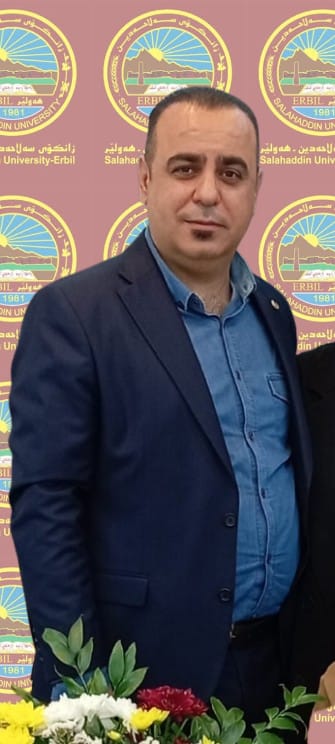
Name: Asst. Prof. Dr. Karwan Salahalddin Shukur
Title: Head of Translation Department
Contact Information:
Email: [email protected]
Phone: +9647504673934
- I have attended several training courses in Turkey focused on language teaching methodologies. I also had the honor of participating in the annual Grand Turkish Language Congress organized by Bilkent University, both as a participant and as a member of the scientific committee.
- Throughout my academic career, I have taught grammar at all undergraduate levels; second, third, and fourth stages. I have also taught research writing at the third stage. For MA students, I have delivered courses on Turkish language grammar and contemporary research writing.
- Due to my long-standing role in the department, I have served as a member of the scientific committee, a member of the examination committee, and the head of the exam committee. These responsibilities allowed me to actively contribute to the academic and administrative life of the department.
- In addition, I served as the Director of Student Affairs for two years and worked as the Manager of Quality Assurance, Audit, and Academic Programs for four years. At present, I serve as the Head of the Translation Department in the College of Languages at Salahaddin University-Erbil, located in the Kurdistan Region of Iraq.
The mission of the Translation Department is to provide high-quality education and training in both the theory and practice of translation and interpreting. We are committed to fostering multilingual communication, promoting cross-cultural understanding, and preparing students to meet the demands of both local and global translation markets. Through comprehensive academic programs, hands-on training, and active research, we aim to develop skilled, ethical, and culturally aware translators and interpreters who can contribute meaningfully to society and the professional field.
VisionWe envision the Translation Department as a leading center of excellence in translation and interpreting studies, recognized both nationally and internationally for academic distinction, innovative research, and professional relevance. We aspire to shape future leaders in the field who will promote intercultural communication, support linguistic diversity, and contribute to the advancement of knowledge and mutual understanding across languages and cultures.
The Learning Outcomes of the Translation Department at the College of Languages, Salahaddin University:
- Demonstrate communication skills grounded in strong language knowledge.
- Understand and articulate the similarities and differences between English and Kurdish in language, culture, and literature.
- Apply various translation and interpreting theories, strategies, and procedures effectively.
- Translate texts across different genres, registers, and formats with proficiency.
- Perform interpreting tasks in a variety of real-world contexts.
- Pursue postgraduate studies in translation and interpreting.
- Analyze source texts to identify critical textual features that must be preserved in target texts.
Year-by-Year Course Layout
According to the official College syllabus data:
postgraduate studies
Program Structure & Objectives:
- Admissions: Handled centrally by the University’s Postgraduate Directorate following departmental proposals. Candidates apply online, submit academic records, language certificates (e.g., IELTS/TOEFL), and sit for a competitive exam once or twice yearly.
- Degree Options:
- M.A. / M.Sc. (Master’s) : Humanities programs typically use Kurdish, Arabic, and English for instruction.
- Ph.D. : Aimed at training future researchers and academic staff. Often includes options for Split-Site Ph.D. arrangements with partner universities abroad.
- Duration and Tuition Fees:
- Master’s: Approx. 5 million Iraqi dinars for the full program.
- Ph.D.: Between 5 and 7.5 million IQD, depending on arrangements and potential external supervision.
Curriculum & Training Components
Although specific departmental syllabi for Kurdish aren’t published online, postgraduate Kurdish curricula often resemble those of related regional language programs. For example, other Kurdish-language postgraduate syllabi include the following typical courses:
Sample Curriculum (from a comparable Kurdish Department):
- First Semester (Master's level):
- Teaching Methods of Kurdish Language (3 h theory, 1 h practical)
- Kurdish Grammar Studies (2 h theory, 2 h practical)
- Learning Theories (3 h theory, 3 h practical)
- Research Methodology (2 h theory, 4 h practical)
- Educational Statistics (2 h theory, 5 h practical)
- English Language (2 h theory, 6 h practical)
- Second Semester (Master's level):
- Recent Trends in Language Teaching (3 h theory, 3 h practical)
- Curriculum Design (3 h theory, 3 h practical)
- Advanced Kurdish Language Studies (3 h theory, 3 h practical)
- Kurdish Literature Studies (2 h theory, 2 h practical)
- Applied Research (3 h theory, 3 h practical)
- Professional Writing and Thesis Drafting sessions
PhD programs typically extend from these foundational Master’s courses into: in-depth proposals, teaching experience, extended research methodology training, foreign-language reading courses, seminars, external supervision if in Split‑Site model, field or archival research, and dissertation writing → leading to PhD defense.
Research Training & Teaching Experience
- Master’s: Combines coursework plus a required thesis based on supervised research.
- Ph.D.: Advanced dissertation proposal, with possibility of international collaboration. Research proposals undergo departmental and scientific committee approval, followed by local/external supervision, annual reviews, and final defense
- Degree: Bachelor’s in Translation and Interpreting (often offered alongside other language majors at the College of Languages).
- Duration: Typically, 4 years (full-time undergraduate study). The first year focuses on foundational language and preparatory courses, followed by specialization in translation and interpreting in Years 2-4.
- Foundational Language & Culture Courses
- English language skills (e.g., grammar, reading, writing, listening, speaking)
- Kurdish language and literature
- Cultural studies related to source and target languages These provide the cultural and linguistic competence essential for translation practice.
- Linguistics & Language Analysis
- Introduction to Linguistics
- Sociolinguistics and Pragmatics
- Semantics and Language Structures
- Translation Theory
- Introduction to Translation Studies
- Translation Theories and Methods
- History of Translation
- Practical Translation Skills
- Translation Practice (English ↔ Kurdish)
- Text Analysis and Translating Different Genres
- Specialized Translation (e.g., legal, technical, media)
- Interpreting and Oral Translation
- Consecutive and Simultaneous Interpreting Practice
- Public Speaking and Oral Communication
- Literature & Culture
- World or Regional Literature
- Culture and Civilization of Language Communities
- Electives & Specialized Tracks
- Translation Technology Tools
- Professional Ethics in Translation
- Media Translation
- Business or Legal Translation Modules
- Students engage in classroom lectures on theory and language structure.
- They apply concepts through simulated translation exercises, group projects, and interpreting practice.
- Emphasis is placed on real-world text analysis and improving both written and oral translation competency.
- Communicate proficiently in both source and target languages.
- Analyze texts linguistically and culturally before translating.
- Apply translation theories and strategies to various text types.
- Perform interpreting duties in professional or academic settings.
- Be ready for postgraduate study or professional careers in translation, interpreting, or related language services.
The program begins with courses that strengthen students’ language base, especially in English and Kurdish, as translation work requires strong command of at least two languages and their cultures.
These foundational courses commonly include:
Students study linguistic concepts that help them understand how language works, including:
These courses give theoretical tools for understanding meaning and linguistic structures crucial in translation.
The curriculum includes courses focused on translation theory and principles, such as:
These help students understand different approaches and techniques in translation practice.
Practical, hands-on courses are central to the curriculum. These involve actual translation tasks and techniques, such as:
These modules help students apply theory to real translation tasks and build practical experience.
Internally focused courses consider interpreting skills, including:
These help prepare students for real-world communication settings where real-time translation is needed.
Students also take literature and culture courses that develop deeper cultural awareness and ability to interpret and translate texts in context. For example:
These are important for translating meaningfully across languages.
Some programs offer electives depending on interests or specialization, including:
Though specific electives at Salahaddin University aren’t listed online, these are common tracks in translation curricula.
The Translation curriculum blends theoretical knowledge with practical training:
By the end of the program, students are expected to be able to:
Translation Department admits students as part of the regular Bachelor’s degree intake at the College of Languages, Salahaddin University-Erbil through the national university admission process in Iraq (handled centrally by the Ministry of Higher Education and Scientific Research).
- 📄 Basic Eligibility
- High School Certificate: Applicants must have completed secondary school (high school/12th grade) or equivalent recognized by Iraqi authorities.
- The admission is typically open to graduates from any educational branch (literary, scientific, etc.), though language/arts-oriented backgrounds may be more directly relevant.
- 📊 Central Admission Placement
- Admission to the Translation Department is determined by the national placement system overseen by the Ministry of Higher Education (Iraq/Kurdistan).
- Students submit their high school results and preferred programs into the central application platform during the admissions period.
- Based on grades and competition for seats, students are allocated universities and specific departments such as Translation.
- 📉 Competitive Entry
- Because the Translation Department is part of a language faculty, candidates often compete based on higher secondary grades, especially in language-related subjects - higher marks generally improve the chances of placement into this program.
- Exact minimum scores or quotas for the Translation Department are usually published each year by the university or ministry during admissions announcement periods (but they aren’t readily available online at the moment).
- ⏱️ Application Timeline
- Annual Admissions Round: Universities in Iraq typically conduct admissions once per academic year. Students must apply through the central admissions system within the official application window announced by the ministry.
- Failure to apply within the specified period typically means waiting until the next year unless there are special third-round admissions (e.g., through a “second chance” round).
- 🏫 University Requirements
- Proof of high school diploma/certificate
- National ID or passport
- Possibly photographs and other administrative forms as required by the registrar (This is based on standard university registration procedures in Iraq’s higher education system - specific forms can be obtained from the university admissions office.)
- 🎓 Special Cases (Evening or Parallel Programs)
- Some Iraqi universities offer evening (part-time) or parallel (fee-based) programs with lower entry thresholds or different requirements; this could apply to language and arts departments in some years, depending on policy. (Universities like the University of Al-Iraqiya show such variations for translation programs elsewhere in Iraq - example data shows different minimum averages for morning vs. evening study modes).
- If such options exist at Salahaddin University, they would be announced by the university during the admissions process.
-
Once centrally placed into the program, the university’s own student registration office will require the following for enrollment:
- The Chinese language program at Salahaddin University is one of the first of its kind in Iraq and has been graduating students since roughly a few years after its launch in 2019.
- According to local media reporting, the department has had small cohorts of students - early batches were around dozens of students, and some of these early students have now reached years where they finish their programs and graduate.
While formal alumni lists aren’t published, media coverage has shared examples of students associated with the program, such as:
- Students participating in exchange programs in China during their studies, which is a sign they are progressing toward graduation pathways.
- Individual current students described in the press who are in later years of study with career intentions (such as teaching, translation, cultural work, etc.) - these are likely future alumni.
Even without specific names, the general trend for alumni of this program includes opportunities in areas such as:
- Teaching Chinese and working in education
- Translation and interpretation roles
- Cultural exchange and diplomacy
- Work with Chinese companies or bilateral business sectors in the Kurdistan Region and Iraq
This is supported by mentions in local commentary of Chinese companies promising work opportunities to language graduates before they even complete their studies.
The Chinese language program at Salahaddin University is still relatively new (established in 2019) and formal employment outcome statistics (like employment rates, employer lists, or salary data) are not published in official reports as of now. However, available local media, expert commentary, and broader labor trends give a picture of potential graduate employability:
🔹 Growing Demand for Chinese Language Skills- China has expanded economic and cultural ties with Iraq, including major infrastructure, energy and trade projects, which increases demand for language skills between Arabic/Kurdish and Chinese.
- Iraqi students learn Chinese as a way to act as a bridge between Iraqi institutions/companies and Chinese partners - suggesting employability in roles that require cross-cultural communication.
Graduates with a strong Chinese degree from Salahaddin University may pursue work in areas such as:
📌 Language and Education- Teaching Chinese in schools, institutes, or university language centers in Iraq (public and private).
- Work with language centers offering preparation for Chinese proficiency tests (HSK).
- Translators for Chinese companies operating in the Kurdistan Region or Iraq - especially in technical, legal, and commercial sectors.
- Interpretation services at consulates, trade missions, and multinational meetings.
- Roles in international trade, logistics, and commercial relations involving Chinese partners or supply chains.
- Jobs in export–import companies that require Mandarin skills and understanding of Chinese business culture.
- Positions in cultural liaison offices, NGOs, or international cooperation bodies that coordinate activities between Iraq/Iraqi Kurdistan and China.
- Tourism and hospitality roles serving Chinese visitors or delegations.
- The department has scholarship links and exchange programs with Chinese institutions, and some students travel to China for short-term study or summer camps.
- Graduates with strong Chinese skills are well-positioned to pursue master’s degrees in China, which can further improve employability.
Chinese companies operating in Iraq and the Kurdistan Region - particularly in energy, construction, and infrastructure sectors - are potential employers for Chinese-speaking graduates, as they often need communication support and cultural coordination. This trend is part of broader patterns in Iraqi labor markets reported by analysts.
________________________________________ 📊 Key Trends and Challenges 📉 Limited Formal DataSalaries, employment rates, and official placement statistics for Chinese language graduates from Salahaddin University are not publicly reported yet because the program is still in its early years.
📈 Positive Signals- Local media and academic commentary highlight student enthusiasm for careers in teaching, translation, and cultural exchange.
- The opening of a new Chinese language department at University of Baghdad also reflects expanding demand for Mandarin speakers in Iraq, which indirectly benefits graduate from Salahaddin University by increasing overall recognition of Chinese language skills’ market value.
Academic Advising
The Department of Translation dedicated to facilitating students' academic journeys by providing comprehensive academic advising services. These services guarantee that students receive the necessary support to achieve their educational and professional objectives while maintaining academic success.
Academic Advising Services
- Individualized Advising Sessions: Each student is assigned an academic advisor who provides personalized guidance specifically tailored to the student's interests, strengths, and career aspirations. Advisors also support the selection of courses, the development of academic pathways, and the resolution of educational challenges.
- Course Selection and Registration Support: Advisors assist students in selecting appropriate courses each semester to guarantee that they make rapid progress toward graduation. Registration assistance is offered to help students avoid scheduling conflicts and fulfill prerequisite requirements.
- Career Planning and Development: Academic advisors provide helpful advice concerning internships, postgraduate opportunities, and potential career paths. Graduate students may obtain guidance regarding their research interests, thesis topics, and program selection.
- Monitoring Academic Performance: Advisors evaluate student progress and offer assistance when academic obstacles arise. Students are assisted in maintaining their academic progress by implementing early intervention strategies, including tutoring recommendations and study skill seminars.
- Workshops and Seminars: Workshops are conducted regularly to improve student success, including study skills, time management, research techniques, and career development. Advisors may also arrange seminars involving guest speakers from academia, industry, and healthcare to provide students with an understanding of real-world applications of biology.
- Mentorship Programs: Senior students and alumni may assist in mentoring junior students, sharing their experiences and advice to help with academic and career decisions.
Students in the Translation Department at the College of Languages, Salahaddin University Erbil have access to practical internship opportunities that help bridge classroom learning with professional experience. The department encourages students to engage in internships with organizations where translation and interpreting skills are actively used, such as media outlets, publishing houses, and governmental communication offices. These internships allow students to apply theoretical knowledge to real world translation tasks, work with different genres of documents, and participate in interpreting assignments during meetings and events, strengthening both written and oral competencies in multiple languages.
In addition to local placements, the department also facilitates connections with international and non profit organizations that require language services, including cultural centers, embassies, and NGOs operating in the region. Through these collaborations, students can gain exposure to professional environments where they practice translation, subtitling, and interpretation, and receive mentorship from experienced practitioners. These internship experiences not only enhance students’ resumes but also help them build professional networks, understand industry expectations, and clarify career goals in translation and language services.
Career Support & Employability Services 🎓
While official data on job-placement rates for Translation Department graduates isn’t available online, Salahaddin University’s Career Development Center (CDC) plays a central role in connecting graduates with the labor market. The CDC offers:
- Career counseling and resume‑writing support.
- Job fairs, internships, workshops, and links with local employers.
- Ongoing engagement with alumni and industry stakeholders.
These efforts suggest that the University is committed to facilitating graduate entry into the workforce.
Department Mission & Graduate Outcomes
According to the College of Languages, the Translation Department trains students for careers in teaching, translation, literary research, journalism, civil service, and cultural institutions. Graduates are expected to become specialists in Kurdish linguistics and literature and contribute as educators or researchers—skills in demand across education and NGO sectors.
Broader Regional Trends & Challenges
Studies of Kurdish Region university graduates highlight ongoing challenges with employability:
- A 2025 study found that many KRG graduates lack practical skills such as IT or English, which hurts job readiness.
- The regional unemployment rate exceeded 20–24% in 2024 across provinces including Erbil.
While these findings are not department-specific, they suggest that graduates with language and literature degrees may face competitive job markets unless they complement their education with practical or technical skills.
What This Means for Translation Department Graduates
- Graduates who leverage CDC services are better poised to land jobs in education, media, translation, and research.
- Mastery of English and Persian, combined with digital literacy, significantly improves employability.
- Those who pair their degree with practical internships or certifications (e.g., teaching credentials) may have an edge.