
Kurdish
Salahaddin University-Erbil, often referred to as the "Mother University" of the Kurdistan Region, has a long and distinguished history. While the university itself was initially established in Sulaimani in 1968 and later moved to Erbil in 1981, the Kurdish Language Department has an even earlier inception within its foundational structure.
The Kurdish Language Department was established in 1970_1971 making it one of the oldest and most foundational departments within the university's College of Languages (which itself was established in 2005), Its establishment marked a crucial step in formalizing the academic study of Kurdish language and literature, contributing significantly to the preservation, development, and promotion of the Kurdish cultural identity and heritage. Over the decades, it has played a vital role in educating generations of scholars, teachers, and professionals dedicated to the Kurdish language.
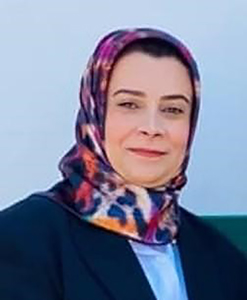
Name: Dr. Runak Salah Ali
Title: Head of Kurdish Department
Contact Information:
Email: [email protected]
Phone: +964750 488 1587
Welcome to the Kurdish Department, As the Head of Department, I am honored to lead a dynamic team of educators, researchers, and students committed to excellence in Geosciences disciplines.
Dr. Runak Salah Ali is a lecturer in the Department of Kurdish Language, College of Languages at Salahaddin University, where she has been a faculty member since 2014. She holds a Ph.D. and an M.A. in Kurdish Literature, as well as a B.A. in Kurdish Language, all earned at Salahaddin University.
Dr. Runak's research interests encompass the Kurdish novel and story, fantasy in modern Kurdish literature, and metanarrative in Kurdish novels. She is particularly focused on exploring and integrating international literary techniques into Kurdish literature.
She has authored two books: "The Art of Fantasy in the Modern Kurdish Story: The Stories of Sherzad Hassan and Saber Rashid as Examples" and "Metanarratives in Abdullah Siraj's Novels."
The mission of the Kurdish Language Department is to:
Provide a fully academically equipped environment for all students.
language, linguistics, literature, translation, and interpretation.
Deliver nationally and internationally recognized, up-to-date programs at both undergraduate and postgraduate levels.
Guide and enrich students with the philosophy of Kurdish language and literature.
Cultivate critical and creative thinking, as well as strong academic research skills, among its students.
Equip graduates with the skills necessary to match the demands of regional and global markets in fields related to language.
VisionThe vision of the Kurdish Language Department at Salahaddin University-Erbil is to:
Prepare graduates who are fluent Kurdish language users, proficient linguists, skillful translators and interpreters, and significant contributors to Kurdish literature.
Be a leading center for the study of Kurdish language, linguistics, literature, translation, and interpretation, inspiring and enhancing lives within the local and global Kurdish community.
Contribute to the intellectual development of society and foster intercultural communication through a deep understanding of the Kurdish language and its cultural context.
Year-by-Year Course Layout
According to the official College syllabus data:
Year 1 (Semester 1 & 2) - 36 credit‑hours total
Core modules include:
- Academic Skills (کارامەییە ئەکادیمییەکان).
- English for University Students.
- Computer Skills.
- Folk Literature, Literary Texts, Dialects, Phonology (sound systems).
Year 2 (Semesters 3 & 4) - 38 credit hours
Focus includes:
- Morphology (word formation).
- Advanced Dialects, Prosody, Lexicology.
- Kurdish Civilization, History of Old Kurdish Literature, Arabic Language.
- Literary Theories, Research Methods & Criticism, Linguistic Theories, Syntax.
- Literary Trends, Rhetoric, Persian Language I, Story & Novel Studies.
- Comparative Grammar, General Linguistics, Practical Criticism.
- Contemporary & Modern Kurdish Literature, Semantics, Comparative Literature.
- Persian Language II, Graduation Research Project, one Elective.
- Linguistics: phonology, morphology, syntax, semantics, comparative grammar.
- Literature: classical & modern Kurdish texts, literary history & trends, criticism.
- Cultural Studies: Kurdish folklore, civilization, dialect diversity.
- Methodology & Practice: research methods, translation, rhetoric, teaching approaches, electives, and a graduation thesis/internship.
- Mix of theoretical lectures and practical sessions, including applied research by both students and faculty.
- Core support courses: Academic Skills, Computer Skills, English (2 semesters), Persian (2 semesters).
- Pedagogical methods include problem-based learning, academic debate, inquiry-based learning, group work, and early exposure to research writing.
Year 3 (Semesters 5 & 6) - 44 credit hours
Courses cover:
Year 4 (Semesters 7 & 8) — 44 credit hours
Includes:
➡️ Total: ~162 credit hours across 8 semesters.
Thematic Curriculum Highlights
The curriculum is consistent with the broader Kurdish Language and Literature undergraduate program goals:
Skills & Instructional Methods
postgraduate studies
Program Structure & Objectives:
- Admissions: Handled centrally by the University’s Postgraduate Directorate following departmental proposals. Candidates apply online, submit academic records, language certificates (e.g., IELTS/TOEFL), and sit for a competitive exam once or twice yearly.
- Degree Options:
- M.A. / M.Sc. (Master’s) : Humanities programs typically use Kurdish, Arabic, and English for instruction.
- Ph.D. : Aimed at training future researchers and academic staff. Often includes options for Split-Site Ph.D. arrangements with partner universities abroad.
- Duration and Tuition Fees:
- Master’s: Approx. 5 million Iraqi dinars for the full program.
- Ph.D.: Between 5 and 7.5 million IQD, depending on arrangements and potential external supervision.
Curriculum & Training Components
Although specific departmental syllabi for Kurdish aren’t published online, postgraduate Kurdish curricula often resemble those of related regional language programs. For example, other Kurdish-language postgraduate syllabi include the following typical courses:
Sample Curriculum (from a comparable Kurdish Department):
- First Semester (Master's level):
- Teaching Methods of Kurdish Language (3 h theory, 1 h practical)
- Kurdish Grammar Studies (2 h theory, 2 h practical)
- Learning Theories (3 h theory, 3 h practical)
- Research Methodology (2 h theory, 4 h practical)
- Educational Statistics (2 h theory, 5 h practical)
- English Language (2 h theory, 6 h practical)
- Second Semester (Master's level):
- Recent Trends in Language Teaching (3 h theory, 3 h practical)
- Curriculum Design (3 h theory, 3 h practical)
- Advanced Kurdish Language Studies (3 h theory, 3 h practical)
- Kurdish Literature Studies (2 h theory, 2 h practical)
- Applied Research (3 h theory, 3 h practical)
- Professional Writing and Thesis Drafting sessions
PhD programs typically extend from these foundational Master’s courses into: in-depth proposals, teaching experience, extended research methodology training, foreign-language reading courses, seminars, external supervision if in Split‑Site model, field or archival research, and dissertation writing → leading to PhD defense.
Research Training & Teaching Experience
- Master’s: Combines coursework plus a required thesis based on supervised research.
- Ph.D.: Advanced dissertation proposal, with possibility of international collaboration. Research proposals undergo departmental and scientific committee approval, followed by local/external supervision, annual reviews, and final defense
Curriculum Development Principles:
According to the Directorate of Curriculum Development at the university, all departments, including Kurdish are expected to:
- Update their courses periodically in response to academic needs and stakeholder feedback.
- Emphasize critical thinking, research, team collaboration, and language proficiency.
Include core university courses: English, computer skills, academic debate, and research-based learning methods.
Expected Structure & Course Themes:
Based on the typical pattern from other language programs at the College of Languages and practices at analogous departments:
Years and Core Focus Areas
- Year 1: Introduction to Kurdish studies, General linguistics (phonetics, dialectology), Folk and classical literature, Kurdish civilization, English, Persian, Computer and Academic Skills
- Year 2: Morphology, Lexicology, Literary History, Literary Movements, Prosody and Metrics, Cultural Studies
- Year 3: < Syntax, Pragmatics, Literary Criticism, Research Methods, Rhetoric,
- Comparative Literature, English/Persian support
- Year 4: Applied Grammar, Semantics, Modern Kurdish Literature, Translational Studies, Electives, Internship or Teaching Practice, Graduation Research Project.
🎓 Admission Overview
- Eligibility Requirements
- Completion of high school (Grade 12) or an equivalent secondary education program, validated through recognized credentials.
- Performance on the Kurdistan National Exam (or equivalent), which serves as the primary academic criterion for selection. Applicants are admitted competitively based on exam scores.
- No separate departmental entrance exam is typically required for language departments, unlike specialized colleges such as Fine Arts or Physical Education.
- Application Process
- Prospective students apply through the Central Admission Office of the KRG, often via an online portal or through official forms on the University’s website.
- Required documentation includes: high school transcript, national ID or birth certificate, passport-sized photos, and any applicable application fees.
- Selection and Enrollment
- Admissions are quota-based and determined by academic merit, particularly National Exam performance.
- Once selected, students receive an official admission letter and proceed to complete university registration.
- Program Duration and Structure
- The Bachelor’s degree is typically a four-year full-time program, aligned with the credit system of 154–164 academic units.
- The academic calendar runs approximately from mid-September to early July, with two semesters per year.
Career Support & Employability Services 🎓
While official data on job-placement rates for Kurdish Department graduates isn’t available online, Salahaddin University’s Career Development Center (CDC) plays a central role in connecting graduates with the labor market. The CDC offers:
- Career counseling and resume‑writing support.
- Job fairs, internships, workshops, and links with local employers.
- Ongoing engagement with alumni and industry stakeholders.
These efforts suggest that the University is committed to facilitating graduate entry into the workforce.
Department Mission & Graduate Outcomes
According to the College of Languages, the Kurdish Department trains students for careers in teaching, translation, literary research, journalism, civil service, and cultural institutions. Graduates are expected to become specialists in Kurdish linguistics and literature and contribute as educators or researchers - skills in demand across education and NGO sectors.
Broader Regional Trends & Challenges
Studies of Kurdish Region university graduates highlight ongoing challenges with employability:
- A 2025 study found that many KRG graduates lack practical skills such as IT or English, which hurts job readiness.
- The regional unemployment rate exceeded 20–24% in 2024 across provinces including Erbil.
While these findings are not department-specific, they suggest that graduates with language and literature degrees may face competitive job markets unless they complement their education with practical or technical skills.
What This Means for Kurdish Department Graduates
- Graduates who leverage CDC services are better poised to land jobs in education, media, translation, and research.
- Mastery of English and Persian, combined with digital literacy, significantly improves employability.
- Those who pair their degree with practical internships or certifications (e.g., teaching credentials) may have an edge.
Career Support & Employability Services 🎓
While official data on job-placement rates for Kurdish Department graduates isn’t available online, Salahaddin University’s Career Development Center (CDC) plays a central role in connecting graduates with the labor market. The CDC offers:
- Career counseling and resume‑writing support.
- Job fairs, internships, workshops, and links with local employers.
- Ongoing engagement with alumni and industry stakeholders.
These efforts suggest that the University is committed to facilitating graduate entry into the workforce.
Department Mission & Graduate Outcomes
According to the College of Languages, the Kurdish Department trains students for careers in teaching, translation, literary research, journalism, civil service, and cultural institutions. Graduates are expected to become specialists in Kurdish linguistics and literature and contribute as educators or researchers - skills in demand across education and NGO sectors.
Broader Regional Trends & Challenges
Studies of Kurdish Region university graduates highlight ongoing challenges with employability:
- A 2025 study found that many KRG graduates lack practical skills such as IT or English, which hurts job readiness.
- The regional unemployment rate exceeded 20–24% in 2024 across provinces including Erbil.
While these findings are not department-specific, they suggest that graduates with language and literature degrees may face competitive job markets unless they complement their education with practical or technical skills.
What This Means for Kurdish Department Graduates
- Graduates who leverage CDC services are better poised to land jobs in education, media, translation, and research.
- Mastery of English and Persian, combined with digital literacy, significantly improves employability.
- Those who pair their degree with practical internships or certifications (e.g., teaching credentials) may have an edge.
There is no any publications of department yet.
Documented Research Projects
- “All department Analysis According to the Cooperative Principle”: This study, listed via Academia.edu, explores both traditional and modern department jokes through the lens of the Cooperative Principle in pragmatics. It compares how these jokes function across different eras, examining their pragmatic layers and social meanings.
Broader Research Support and Engagement
While there isn't an extensive catalog of department-specific project listings, there are important institutional supports and opportunities that may encompass departments-related research:
- Cultural and Academic Center: This university-wide center supports cultural, literary, and interdisciplinary research. Its mission includes fostering rigorous scholarly work in college studies, producing publications, organizing public lectures and international seminars, and encouraging research dissemination to policymakers and the broader public.
- Salahaddin University Research Center (SURC): Although not department-specific, SURC offers infrastructure and strategic backing for impactful research across social sciences. It emphasizes creating collaborative research teams, securing grants, training researchers, and enhancing the visibility of research findings - potentially including work by scholars in all department.
What’s Available - and What Isn’t Clearly Documented:
No department-specific research groups listed: The department’s official profile does not mention any organized research teams or lab groups dedicated to linguistics, literature, or applied studies. Its profile emphasizes teaching, curriculum, and learning outcomes rather than research collectives.
University-wide Research Center (SURC): Salahaddin University’s central Research Center (SURC) is structured to support cross-disciplinary and collaborative research - especially in the social sciences, where language studies could naturally fit. It offers grants, capacity-building, and project support, but it appears to be university-wide rather than department-specific
Students at the College of Languages, Salahaddin University-Erbil, benefit from a richly multifaceted educational environment that emphasizes international collaboration, academic enrichment, and practical development. The College has forged strong academic ties with institutions such as the University of Leipzig (Germany), various French, Iranian, Turkish universities, Ain Al‑Shams in Egypt, and Al‑Hashmi in Jordan, enabling students to engage in cross-border projects, workshops, and cultural exchanges. Through the University’s International Relations Office, students gain access to Erasmus+ and Split‑Site PhD mobility programs, research partnerships, and even modest financial support from DAAD for displaced undergraduates, as well as opportunities to participate in international summer schools. Additionally, the Language Center the first public language center in the Kurdistan Region offers accessible English courses across multiple levels, serving government employees, graduates, lecturers, and private sector participants; to date around 4,500 individuals have earned certificates through its six-week programs. On the cultural and extracurricular front, departments such as Translation host vibrant events, including exhibitions, academic panels, student competitions, and volunteer initiatives like campus clean-ups offering students leadership experience, creative expression, and community engagement.
Academic Advising
The Department of Kurdish is dedicated to facilitating students' academic journeys by providing comprehensive academic advising services. These services guarantee that students receive the necessary support to achieve their educational and professional objectives while maintaining academic success.
Academic Advising Services
- Individualized Advising Sessions: Each student is assigned an academic advisor who provides personalized guidance specifically tailored to the student's interests, strengths, and career aspirations. Advisors also support the selection of courses, the development of academic pathways, and the resolution of educational challenges.
- Course Selection and Registration Support: Advisors assist students in selecting appropriate courses each semester to guarantee that they make rapid progress toward graduation. Registration assistance is offered to help students avoid scheduling conflicts and fulfill prerequisite requirements.
- Career Planning and Development: Academic advisors provide helpful advice concerning internships, postgraduate opportunities, and potential career paths. Graduate students may obtain guidance regarding their research interests, thesis topics, and program selection.
- Monitoring Academic Performance: Advisors evaluate student progress and offer assistance when academic obstacles arise. Students are assisted in maintaining their academic progress by implementing early intervention strategies, including tutoring recommendations and study skill seminars.
- Workshops and Seminars: Workshops are conducted regularly to improve student success, including study skills, time management, research techniques, and career development. Advisors may also arrange seminars involving guest speakers from academia, industry, and healthcare to provide students with an understanding of real-world applications of biology.
- Mentorship Programs: Senior students and alumni may assist in mentoring junior students, sharing their experiences and advice to help with academic and career decisions.
Internship Opportunities Overview:
- Career Development Center (CDC): Established in 2015 through a partnership with the U.S. Embassy in Baghdad and the Kurdistan Regional Government's Ministry of Higher Education & Scientific Research, the CDC supports students and alumni throughout their academic and professional journeys.
- Internship Programs: The CDC maintains active connections with local, regional, and international employers, helping students secure internships in fields such as education, media, translation, NGOs, cultural institutions, and government sectors.
- Career and Hands-On Training: In addition to internships, the CDC provides workshops on resume writing, job fairs, seminars, and advisory services tailored to language students—enhancing translation and intercultural communication skills relevant to Kurdish language graduates.
Benefits for Kurdish Language Students
- Field-Relevant Internships: Gain practical experience in areas that directly align with Kurdish language and literature study—such as translation, pedagogy, cultural advocacy, and media involvement.
- Career Preparedness: Improve readiness for employment or postgraduate opportunities through tailored CDC services.
- Cross-Department Collaboration: While there may not be department-specific placements, students benefit from university-wide partnerships, often driven by demand for multilingual skills in regional and international contexts.
Career Support & Employability Services 🎓
While official data on job-placement rates for Kurdish Department graduates isn’t available online, Salahaddin University’s Career Development Center (CDC) plays a central role in connecting graduates with the labor market. The CDC offers:
- Career counseling and resume‑writing support.
- Job fairs, internships, workshops, and links with local employers.
- Ongoing engagement with alumni and industry stakeholders.
These efforts suggest that the University is committed to facilitating graduate entry into the workforce.
Department Mission & Graduate Outcomes
According to the College of Languages, the Kurdish Department trains students for careers in teaching, translation, literary research, journalism, civil service, and cultural institutions. Graduates are expected to become specialists in Kurdish linguistics and literature and contribute as educators or researchers—skills in demand across education and NGO sectors.
Broader Regional Trends & Challenges
Studies of Kurdish Region university graduates highlight ongoing challenges with employability:
- A 2025 study found that many KRG graduates lack practical skills such as IT or English, which hurts job readiness.
- The regional unemployment rate exceeded 20–24% in 2024 across provinces including Erbil.
While these findings are not department-specific, they suggest that graduates with language and literature degrees may face competitive job markets unless they complement their education with practical or technical skills.
What This Means for Kurdish Department Graduates
- Graduates who leverage CDC services are better poised to land jobs in education, media, translation, and research.
- Mastery of English and Persian, combined with digital literacy, significantly improves employability.
- Those who pair their degree with practical internships or certifications (e.g., teaching credentials) may have an edge.